
Drowning is preventable.
Every year, hundreds of children under 14 drown — the vast majority in residential pools. This site gives parents and grandparents the information they need.
The facts every family near a pool needs to know

Most drownings happen at home, in seconds
76% of child drownings occur in residential pools — not public pools, not beaches. The majority happen during a brief lapse in supervision, often when a child wanders outside unnoticed. A four-sided pool fence is the single most effective way to prevent unsupervised access.
Every layer of protection matters

Pool Fences & Barriers
A four-sided removable mesh fence is the single most effective barrier against unsupervised pool access.

Active Supervision
Designate a "water watcher" — one adult, undistracted, watching only the water.

CPR & First Aid
Knowing child CPR can double or triple survival chances. Every caregiver should be trained.

Swim Lessons
Children who take formal swimming lessons have an 88% reduced risk of drowning.

Open Water Safety
Lakes, rivers, and the ocean carry different hazards than a home pool. Learn the key differences.

Alarms & Covers
Secondary layers of protection — what works, what doesn't, and what the research says.
Ready to Install a Pool Fence?
A four-sided removable mesh fence is the #1 barrier recommended by safety experts to prevent child drowning. Work with a certified professional installer in your area for the best protection.
For Florida families, we recommend Protect-A-Child — trusted by families for 40+ years.
Read by thousands of parents
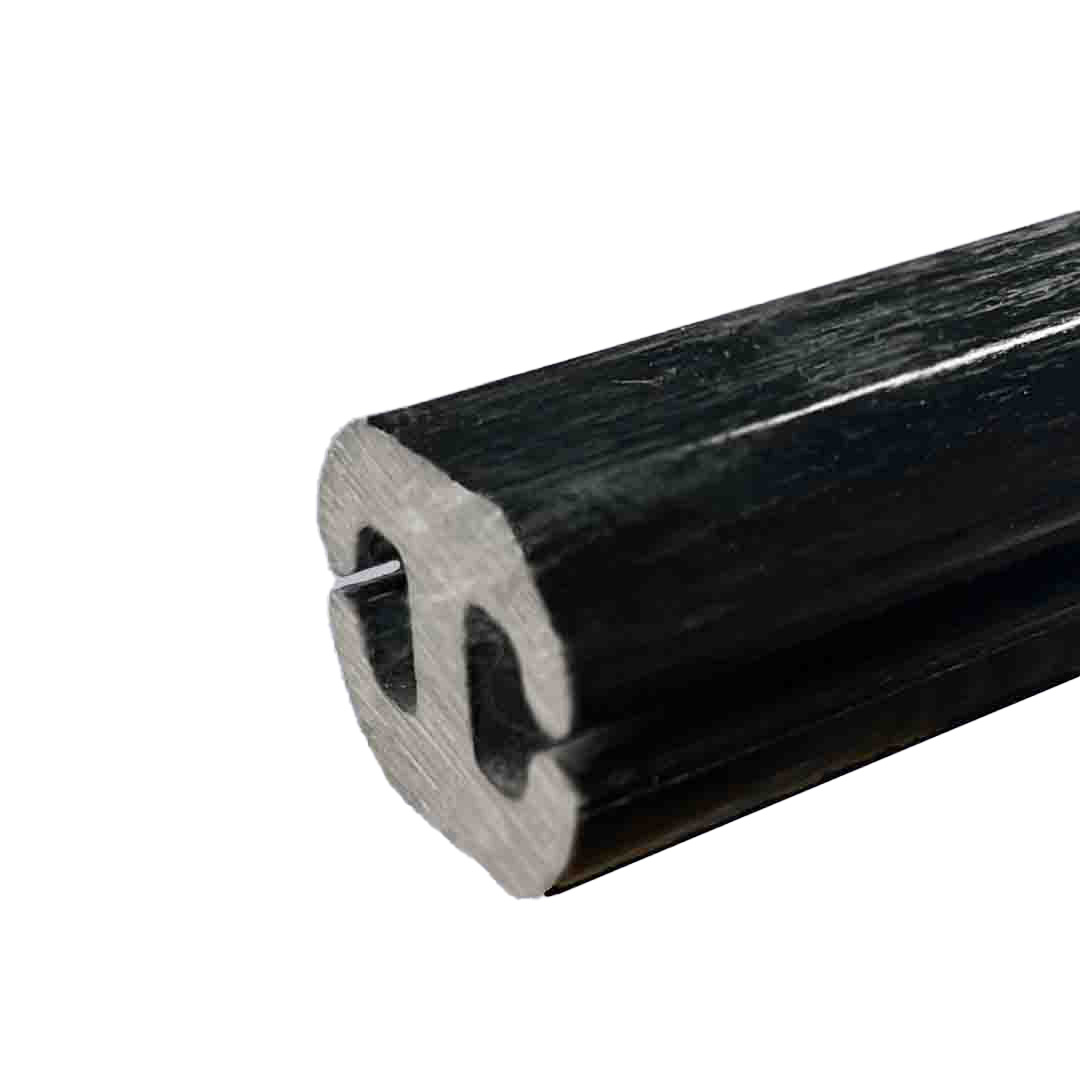
How High Does a Pool Fence Need to Be?
Most states mandate at least 48 inches, but best practice says 60 inches. Here's what Florida law requires and what safety experts recommend.

The Layers-of-Protection Model Every Parent Should Know
No single measure is foolproof. We explain the 5-layer model that water safety experts say can reduce drowning risk by over 90%.
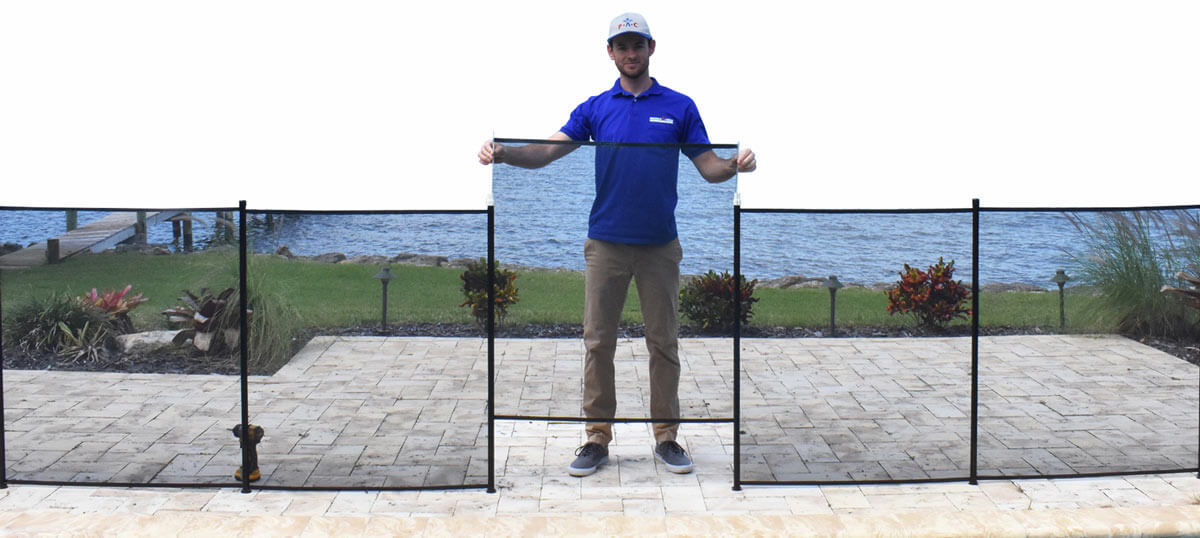
Protect-A-Child vs Baby Guard vs Life Saver: Which Pool Fence?
We compare the three most popular removable mesh pool fence brands on safety, durability, price, and warranty.

When Should Kids Start Swim Lessons? A Complete Guide
The AAP now recommends starting swim lessons at age 1. We cover what to expect, how to choose a program, and age-by-age milestones.
Get our Water Safety Checklist
A printable checklist covering pool barriers, supervision rules, CPR readiness, and more — designed for parents and grandparents.
Download Free Checklist